House Pad Site Preparation for a Buildable Lot

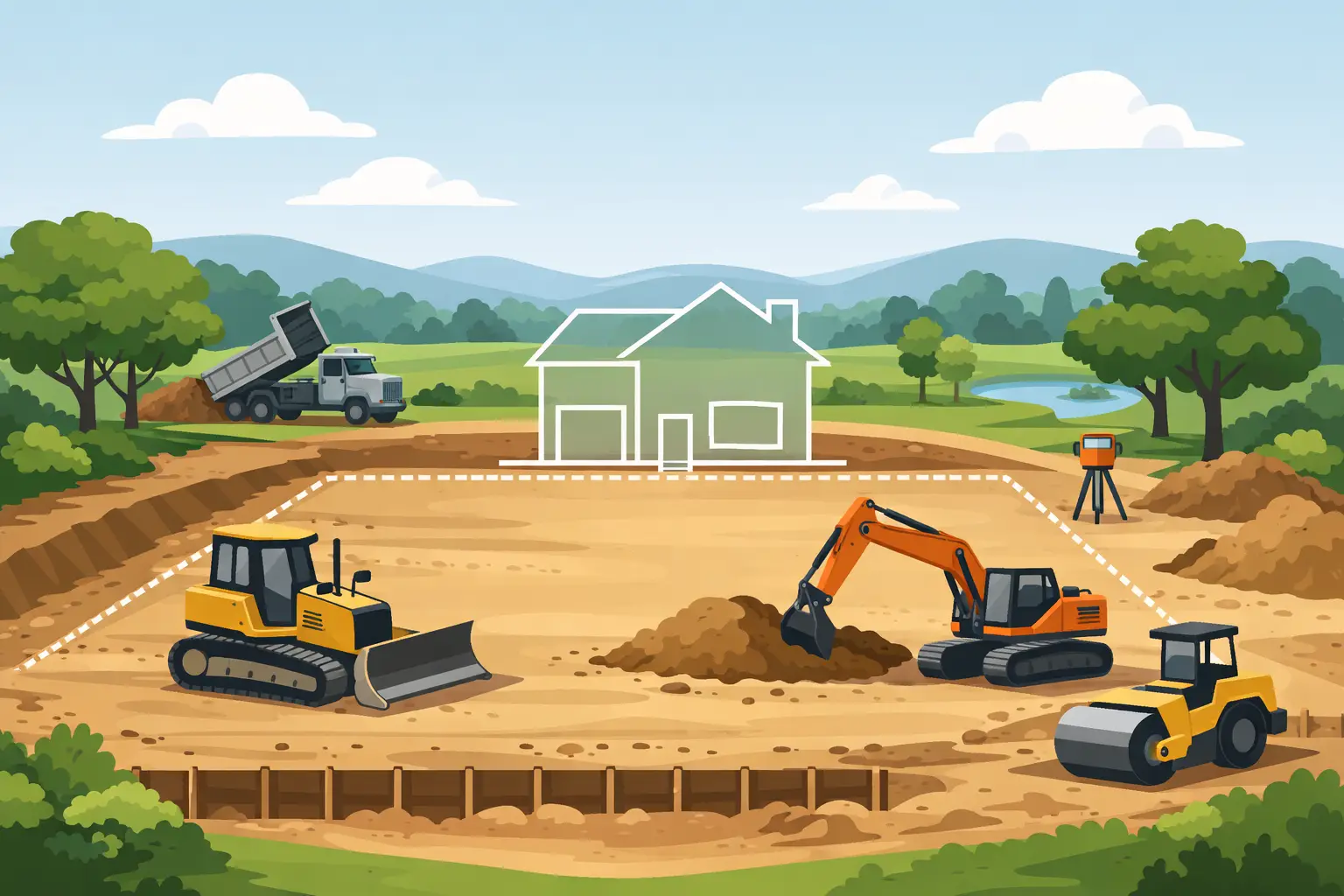
A home can look perfectly placed on paper and still face expensive problems if the ground beneath it is not ready. House pad site preparation is the work that turns a raw, uneven, wooded, or soft piece of property into a stable area where a home can be built with confidence. It is not simply pushing dirt until the lot looks flat. It is about creating the right elevation, drainage, soil support, and access for the plans ahead.
For property owners along the Mississippi Gulf Coast, that work often starts with a close look at the land itself. Low spots, heavy rain, soft soils, thick vegetation, and limited entry points can all affect how a house pad should be built. A dependable site-preparation plan addresses those conditions before concrete is poured and before the building crew arrives.
What House Pad Site Preparation Is Meant to Accomplish
A house pad is the prepared section of ground where a home foundation will be constructed. Depending on the home design, it may support a slab foundation, crawlspace foundation, elevated home, or another engineered foundation system. The pad must be shaped and built to meet the needs of the structure, the property, and local drainage conditions.
The goal is not always to make every part of the lot level. In fact, forcing a completely flat site can create drainage issues on land that naturally slopes. The better approach is to establish the proper building elevation, create controlled runoff, and leave the surrounding property functional for driveways, yards, utilities, and future improvements.
Good preparation also gives builders room to work. Equipment needs a reliable route into the site, and materials need a firm place to be delivered and staged. When the pad and access are planned together, the project starts with fewer avoidable delays.
Start With the Land, Not the Dirt Pile
Every successful pad begins with understanding the property. Before clearing or earthmoving starts, the owner, contractor, builder, and surveyor should be clear about the proposed home location, lot boundaries, foundation plan, setbacks, utility routes, and desired driveway entrance. If the home site will require a specific finished-floor elevation, that information should guide the entire grading plan.
On wooded acreage, the proposed pad may sit above roots, stumps, organic topsoil, and buried debris. Those materials are not dependable support for a home. Clearing the building area is the first step, but the work should go beyond cutting trees. Stumps, root balls, brush, and unsuitable material need to be removed so the ground can be evaluated and prepared properly.
The amount of clearing depends on the project. Some owners want only the house site and driveway opened up, while others are preparing room for a garage, shop, pasture, pond, or larger yard. Planning those uses early can reduce the chance of disturbing finished areas later.
Strip Unsuitable Topsoil Before Building Up
Topsoil is valuable for landscaping, but it is usually not the material you want beneath a house pad. It often contains roots, organic matter, and loose material that can settle as it decomposes. A site contractor typically strips and stockpiles usable topsoil before bringing in fill or reshaping the subgrade.
This is one of the places where a project can look complete while still being incomplete. Dirt placed over brush, roots, soft mud, or unstripped topsoil may seem firm at first. Over time, though, settlement can lead to uneven concrete, drainage changes, or trouble with driveways and utility lines.
The correct depth of stripping depends on site conditions. A property with shallow topsoil over firm native material may require less removal than a low, wet tract with deep organic soils. If the soil condition is uncertain, a builder or engineer may recommend further evaluation before the pad is built.
Build the Pad in Controlled Lifts
When a home site needs to be raised, fill dirt should be placed in manageable layers, often called lifts. Each lift is spread, shaped, and compacted before the next layer is added. This process helps create a denser, more stable pad than simply dumping a large amount of dirt in one place and grading the top smooth.
The needed fill varies by property. Clean, suitable fill may be brought in when the existing ground is too low or weak. In other cases, soil already on the property can be moved and reused if it has the right characteristics. Borrowing dirt from one area of the land may also create an opportunity for a pond or drainage feature, but only when that change fits the overall property plan.
Compaction matters because loose fill can settle under the weight of a house. The required compaction method and verification should follow the foundation design, local requirements, and any engineering direction. A contractor can create a well-prepared pad, but the home builder and foundation professional should confirm that the finished site meets the needs of the planned structure.
Grade for Water Before Water Finds Its Own Way
Drainage is a major part of house pad site preparation, especially in areas that receive frequent heavy rainfall. Water should move away from the home site without being redirected onto a neighbor's property or trapped against the foundation. The finished grade needs to work with the natural lay of the land, not fight it without a plan.
A properly elevated pad can help protect the home from standing water, but elevation alone is not enough. The surrounding ground may need swales, ditches, culverts, or carefully shaped slopes to guide runoff toward an appropriate outlet. Driveway drainage is equally important. A driveway crossing a ditch may need a correctly sized culvert so water can continue flowing without washing out the entrance.
There are trade-offs here. Raising a pad can improve protection from water, but it also increases the amount of fill needed and may require longer slopes to blend the pad into the surrounding land. A lower pad may reduce dirt costs but leave less margin during major rain events. The right choice depends on the property, the home design, and the long-term drainage plan.
Do Not Overlook Access and Material Staging
A house pad is only one part of a build-ready site. Heavy trucks need an entrance that can handle deliveries of concrete, lumber, fill dirt, gravel, and building materials. If access is soft, narrow, or poorly drained, construction traffic can tear up the property and slow the job down.
Early driveway work often includes clearing the route, shaping the base, installing culverts where needed, and adding suitable aggregate. The drive does not always need to be fully finished before construction starts, but it should be stable enough for regular traffic and wet-weather conditions.
It also helps to identify where excavated material, fill dirt, gravel, and building supplies can be staged. A little coordination at this stage keeps trucks from driving across areas intended for septic systems, future lawns, or drainage paths.
Coordinate Utilities, Septic, and Future Improvements
A pad that is perfect for the house can still create problems if utility needs are considered too late. Water, power, gas, communications, septic systems, and drainage features all need space on the property. Their locations can affect the driveway route, clearing limits, finished elevations, and where dirt can be placed.
For rural homes, septic planning deserves special attention. The proposed drain field should not become a storage area for heavy equipment or excess fill without approval from the appropriate professional. Likewise, a future shop, detached garage, or pool may need its own access and drainage plan. Thinking ahead does not mean completing every improvement now. It means avoiding site work that makes the next phase harder or more expensive.
Choose a Contractor Who Sees the Whole Site
House pad work brings several jobs together: land clearing, stump removal, excavation, hauling, fill placement, grading, drainage, and access construction. Hiring separate crews for each task can work, but it often creates gaps in communication and scheduling. A full-service site-preparation contractor can coordinate the sequence so each phase supports the next.
Courrege Services LLC helps property owners turn challenging ground into usable, build-ready space with land clearing, dirt work, earthmoving, and hauling support. The focus should always be on the owner's project vision and the practical needs of the land, rather than a one-size-fits-all pad.
Before the first load of dirt arrives, take time to establish the home location, finished elevation, drainage path, driveway route, and future property needs. That early planning gives your house pad a better chance to support not only the home you are building now, but the property you want to enjoy for years to come.


Comments